
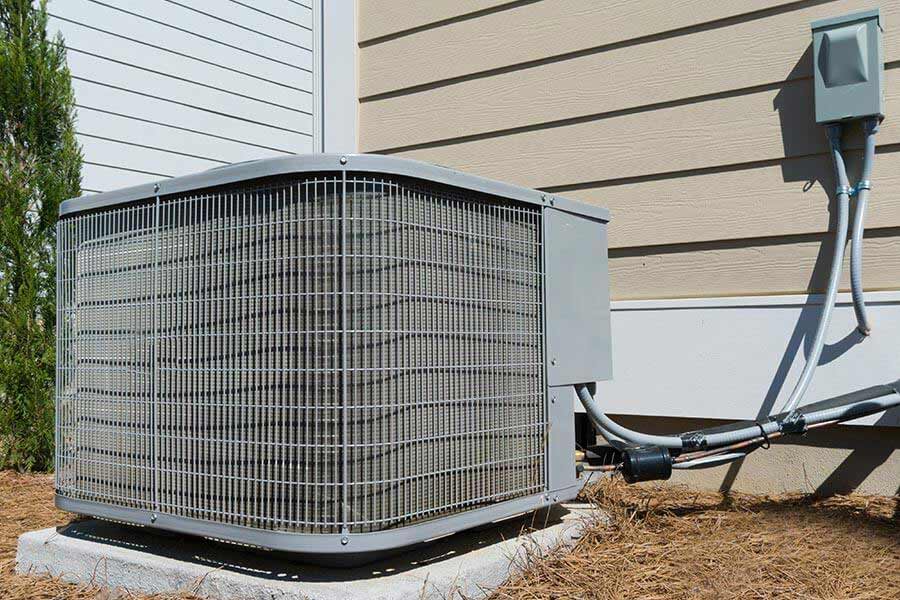
Replacing or installing an air conditioning system is one of the most consequential decisions a Coral Springs homeowner will make. With cooling season lasting the better part of the year and outdoor conditions that combine intense heat with persistent humidity, the system chosen and the way it is installed will directly shape indoor comfort and energy costs for the next decade or more.
Coral Springs is a community with significant variety in its housing stock, from the mature neighborhoods near Turtle Run to newer construction along the city’s western corridors. Homes differ in size, insulation quality, duct configuration, and sun exposure, and all of those differences factor into which system will perform best in a given property. Before any equipment is purchased or installation scheduled, five key considerations deserve careful attention.
Our AC installation services are built around a thorough evaluation process that accounts for each home’s specific characteristics, so the right system is matched to the right space from the beginning.
How to Choose the Best AC System for Your Home’s Needs
Selecting an AC system that fits the home correctly is the foundation of a successful installation. Equipment that is undersized will run continuously without reaching the target temperature, driving up energy costs and wearing out faster than designed. Equipment that is oversized will short-cycle, meaning it switches on and off frequently without completing full cooling and dehumidification cycles, which leads to clammy indoor air and unnecessary mechanical wear.
A proper Manual J load calculation, performed by a qualified professional, determines the correct system capacity for a specific home. This calculation accounts for square footage, ceiling height, insulation values, window area and orientation, local climate data, and occupancy patterns. In Coral Springs, FL, where humidity compounds the challenge of temperature management, dehumidification capacity is a particularly important factor in system selection.
System type is a separate but related decision. Central air conditioning suits most homes with existing ductwork. Ductless mini-split systems offer flexibility for homes without ducts, additions, or spaces that require independent temperature control. Heat pump systems provide both heating and cooling from a single unit and are well matched to a climate where heating demand is low and cooling demand is high. A professional assessment identifies which configuration fits the home’s infrastructure and the homeowner’s long-term goals.
Working in homes across Coral Springs, we consistently find that investing time in proper system selection before installation avoids the performance problems and efficiency losses that come from mismatched equipment.
How to Understand Installation Costs and Set Your Budget
Approaching AC installation with a complete and realistic budget prevents surprises and supports better decision-making throughout the process. The purchase price of the equipment is the most visible cost, but several other factors contribute to the total investment.
Labor costs reflect the complexity of the installation. A straightforward equipment replacement in a home with well-maintained existing ductwork costs less than an installation that requires new line sets, electrical upgrades, or duct modifications. Understanding the scope of work required before agreeing to a quote helps ensure the comparison between contractors is accurate.
Additional expenses that homeowners sometimes overlook include permit fees, removal and disposal of the old unit, and any required modifications to accommodate new equipment. In some cases, existing ductwork may need inspection or repair before a new system is installed, which adds to the overall scope but also protects the efficiency of the new equipment.
Financing options are worth exploring, as they can make a higher-efficiency system financially accessible without requiring the full investment upfront. The long-term energy savings associated with a more efficient unit often justify the difference in equipment cost, particularly in a climate where the system runs for such an extended portion of the year. Transparent, itemized quotes from reputable contractors allow homeowners to evaluate their options clearly and make decisions based on full information.
How to Evaluate Energy Efficiency Ratings for Your AC Unit
Energy efficiency ratings are among the most important specifications to understand when selecting an AC system, because they directly predict operating costs over the life of the equipment. In Coral Springs, FL, where air conditioning runs for the majority of the year, the efficiency of the chosen system has a compounding effect on monthly utility bills.
The Seasonal Energy Efficiency Ratio (SEER2), the current standard metric for residential cooling equipment, measures how efficiently a system converts electricity into cooling over an entire season. Higher SEER2 values indicate greater efficiency. For Florida’s climate, systems at the higher end of the available efficiency range typically offer the best return on investment given the extended cooling season.
The Energy Efficiency Ratio (EER) measures efficiency at peak cooling conditions rather than seasonal averages. A high EER is particularly relevant for South Florida homes because the system regularly operates at or near peak demand during the hottest months.
Energy Star certification indicates that a unit meets efficiency standards set by the EPA. This designation is a reliable shorthand for efficiency performance and can also indicate eligibility for utility rebates or tax incentives.
It is also worth noting that efficiency ratings reflect performance under designed operating conditions. A high-rated system installed incorrectly or paired with compromised ductwork will not deliver its rated efficiency in practice. Professional installation and regular AC maintenance are what allow a high-efficiency unit to actually perform as specified over its service life.
Considering Local Climate and Its Impact on Your AC Performance
South Florida’s climate places demands on residential air conditioning that differ meaningfully from what systems face in other parts of the country. Coral Springs experiences heat and humidity for an extended season, and the combination of both stresses AC equipment in ways that temperature alone does not.
Humidity management is as important as temperature control in this environment. An AC system that cools the air effectively but does not remove sufficient moisture will leave occupants feeling uncomfortable even at technically acceptable thermostat readings. Systems should be evaluated for their dehumidification capacity alongside their cooling output, and in some homes, supplemental dehumidification may provide additional benefit.
Proper system sizing directly affects humidity control. Oversized equipment that short-cycles cools the air quickly but does not run long enough to dehumidify it adequately. This is one reason why accurate load calculations matter beyond just matching cooling capacity to square footage.
Home insulation and airflow also shape how well an AC system performs. A well-insulated home retains conditioned air more effectively, reducing the frequency and duration of cooling cycles. Gaps in insulation, poorly sealed windows and doors, and restricted airflow through supply and return vents all reduce system efficiency and increase operating costs. Addressing a refrigerant leak promptly is equally important, as low refrigerant levels compromise both cooling capacity and the system’s ability to manage humidity effectively.
Why You Need Professional Installation and Maintenance for Your AC
The quality of installation is as consequential as the quality of the equipment itself. Research from energy efficiency organizations consistently shows that improper installation can reduce system efficiency by a significant margin, meaning homeowners pay more to run a system that delivers less than its rated performance. The hidden costs of a poor installation accumulate over years through higher energy bills, more frequent repairs, and shortened equipment life.
Professional installation brings several protections that are not available with self-installed or improperly supervised work:
- Technical expertise: Licensed technicians are trained to handle refrigerant charging, electrical connections, airflow balancing, drain line routing, and system commissioning correctly. Each of these factors affects how the system performs from day one.
- Code compliance: Residential AC installations are subject to local building codes and permit requirements. Professional contractors manage this process and ensure the work meets all applicable standards.
- Warranty protection: Most equipment manufacturers require professional installation as a condition of the product warranty. An improperly installed system may void coverage that would otherwise protect the homeowner against early component failures.
- Long-term performance: A properly commissioned system operates within its designed parameters, experiences less unnecessary wear, and requires fewer unplanned repairs over its service life.
Ongoing maintenance by qualified technicians is what sustains that performance over time. Annual professional tune-ups catch developing issues before they become failures, keep the system operating at its rated efficiency, and maintain warranty compliance throughout the equipment’s life.
Making a Well-Informed AC Installation Decision in Coral Springs, FL
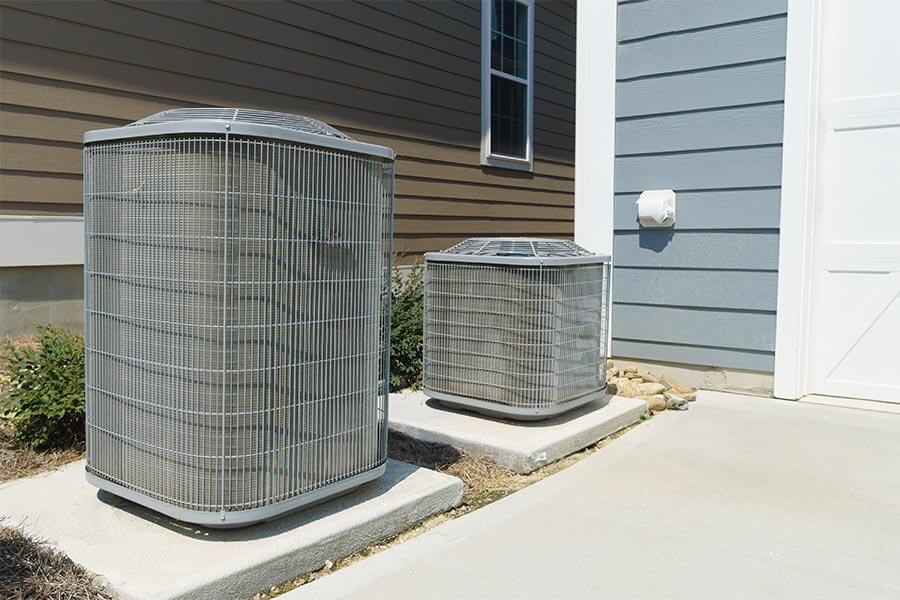
The five considerations covered here, system selection, budget planning, efficiency evaluation, climate compatibility, and professional installation, are interconnected rather than independent. A decision made well in one area supports better outcomes in the others. A properly sized system installed correctly by a qualified technician and maintained on schedule will deliver reliable, efficient cooling for fifteen years or more in this climate.
Based on what we see in Coral Springs, FL properties, homeowners who engage a professional early in the process, before equipment is purchased or decisions are finalized, consistently achieve better long-term results than those who make selections based on price alone. The planning stage is when the most valuable decisions are made.
When you are ready to move forward, our team is available to walk through every step of the process with you. Contact our team today to schedule a consultation and make sure your next AC installation is done right.